
The impact of social connections on gambling behavior
Understanding Social Connections
Social connections play a crucial role in shaping individual behavior, including gambling habits. Relationships with family, friends, and peers can influence how often people gamble, what types of games they prefer, and their overall attitudes toward risk-taking. A strong social network can provide both encouragement and deterrents, affecting whether individuals engage in gambling activities. Many people might avoid high-risk games, while others might download 1xbet to participate in a wider variety of options offered online.
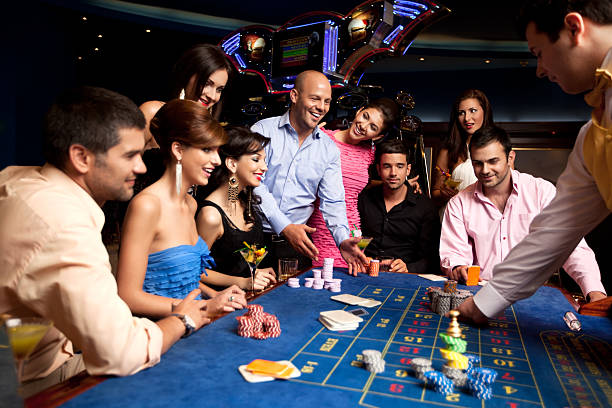
Research indicates that social circles often normalize gambling behaviors. When peers actively participate in gambling, it can create a sense of acceptance and encourage others to join in. Conversely, individuals who have social ties to those who disapprove of gambling may feel less inclined to participate, highlighting the significant impact of social influence.
The Role of Social Influence in Gambling Choices
Social influence can dictate not just the frequency of gambling, but also the types of games individuals choose to play. For instance, people may be more inclined to try high-stakes games if they are surrounded by friends who advocate such behavior. This peer pressure can lead to increased risk-taking, as individuals may feel compelled to match their friends’ behavior to maintain social standing.
Moreover, the social environment can impact how gambling is perceived. In groups where gambling is seen as a leisure activity, individuals may engage more frequently without considering the potential consequences. This social acceptance can lead to problematic gambling behaviors, as it minimizes the perceived risks associated with excessive gambling.
The Psychological Aspects of Social Connections
The psychological implications of social connections extend deeply into gambling behavior. Emotional bonds with others can lead to both positive and negative outcomes. For example, individuals may gamble to bond with friends or escape from stress, viewing gambling as a means of social interaction rather than merely a financial transaction.
Conversely, strong emotional ties can exacerbate gambling problems. Individuals may feel pressured to continue gambling to maintain their relationships or to impress their peers, leading to a cycle of negative behavior that can affect both personal finances and mental health. Understanding these psychological dynamics is essential for addressing gambling-related issues.
Legal Regulations and Social Connections
The relationship between social connections and gambling behavior is also influenced by legal regulations. In regions where gambling is heavily regulated or restricted, social connections may provide alternative avenues for participation, such as underground gambling networks. These illegal setups can create a sense of community while also increasing risks associated with gambling. The existence of a casino within a legal framework can shape how social connections form around gambling.
On the other hand, jurisdictions with more lenient gambling laws may see an increase in social gambling activities. Legal frameworks can either support or hinder the social aspects of gambling, impacting how individuals engage in these activities and how society perceives gambling as a whole.
Conclusion and Resources
In summary, social connections significantly influence gambling behavior, shaping individuals’ choices and attitudes toward risk. Understanding these dynamics is essential for developing effective prevention and intervention strategies. By recognizing the role of social influence, individuals and communities can better address the complexities of gambling and its impact on society.
For more information and resources on the impact of social connections and responsible gambling, visit our website. We provide insights into how social dynamics shape gambling behaviors and support efforts to promote healthy gambling practices within communities.